
Article by: William G.
Fads and trends come and go. Some are ahead of their time. Some are forgotten. Some endure. Some are forgotten until someone “invents them” for the hundredth time. The cycle repeats. Regardless, most all of us want whatever the best of the best we can get for protection life and limb. We search out state of the art technology.
Glock didn’t invent the first accessory rail to mount a light. HK did, with the USP, years before. Surefire didn’t invent the first weapon mounted light for a pistol with the 610R in the late 80’s. Colt did, in 1914 with the “Seely Night Sight” an under barrel mounted flashlight. I actually carried this particular Surefire in some nasty places. Interesting side note is that when you called to order it, they asked if it was for a Colt or a Springfield. You had to specify because the slide stop had to be specific for either of the two for the gun to work right. It had a screw that went up snug with the front bottom round of the trigger guard to keep the light from bouncing in recoil. My original gun still has an indent from lots of rounds with the light on it.
Night sights? Well let’s define those. Something that allowed sights to be usable in the short periods before dusk and after dawn. Before there was tritium, there were many other inventions and fixes.
Col. Charlie Askins tied a white cloth to the end of the barrel on his Remington Model 11 so the moon light could reflect off it, allowing him to hit his target with 00 buck.
Fairbairn and Sykes used brass beads with a V notch rear on pistols to catch ambient lighting in the alleys of Shanghai. Others around this time started using gold bead inserts in their front sights.
Maj. KR watched a west coast operator apply aluminum foil to the serrated front sight of an 870 way back in the early 80’s, since not all that glitters is gold.
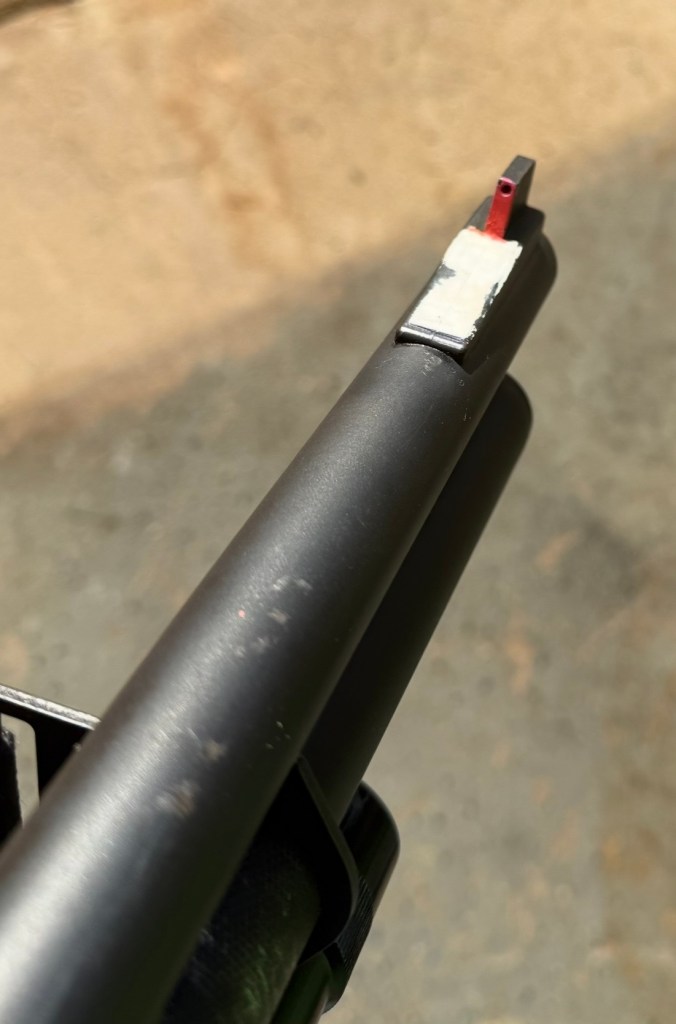
Jeff Cooper long painted his front sights red or orange, which didn’t do much at night, but still helps tremendously in sunlight.
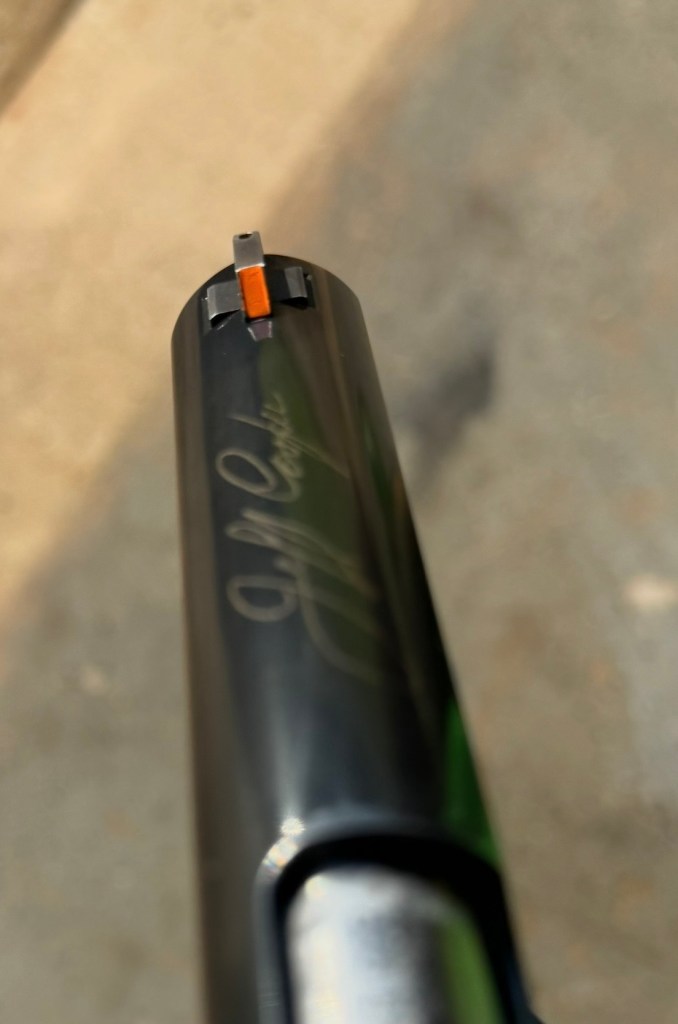
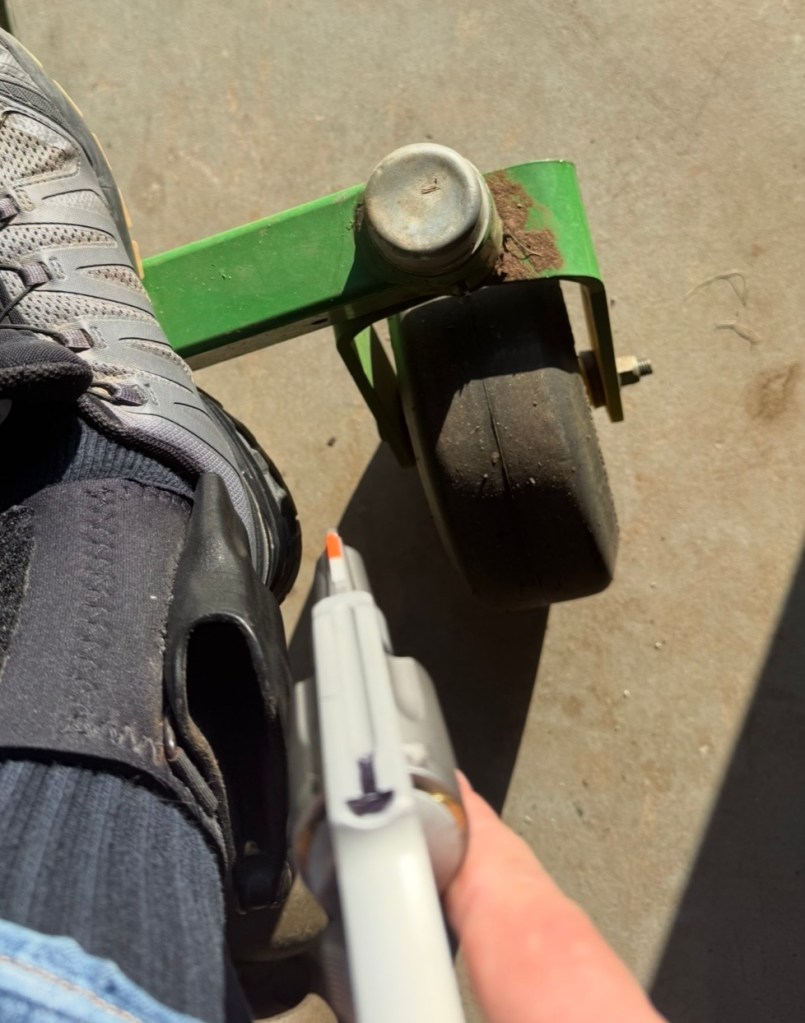
Claude Werner taught me to paint the revolver ramps with abase coat of white appliance enamel. Both as a base to make the orange jump brighter, and to give a landing strip to know in an instant if the sights were regulated with a fixed design common on snubs (an idea he got from former President Bush from his time landing planes on aircraft carriers.) Later, either Claude or Dave Spaulding used 3m reflective tape on the front sights of pistols. (Forgive my memory, it fades some these days.)
The first night sights weren’t tritium. They were battery charged. Later came bolt on night sights in the mid 80’s. Maj. KR (again), being ahead of his time (still is) got some when they came out; as he was running one of the more forward thinking SWAT teams in the Atlanta metro area. Only later came the factory set up night sights we take for granted today.
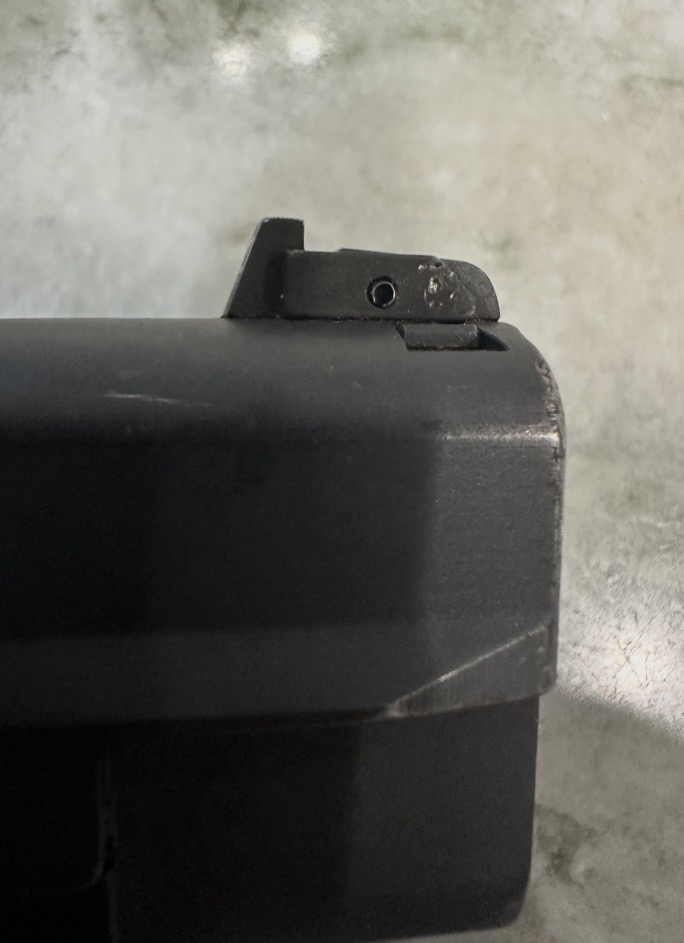
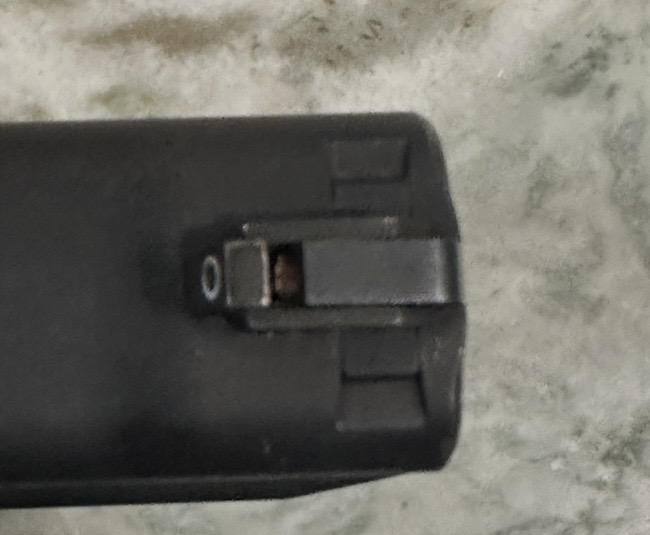
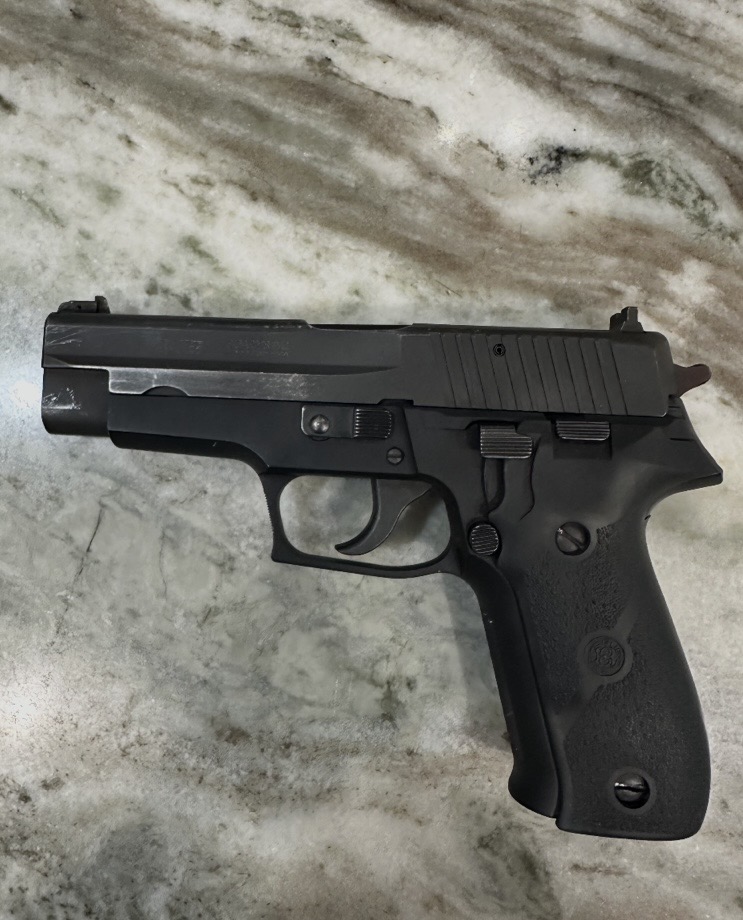
Necessity is the mother of invention as they say. Navy SEAL’s attending an early subgun class at Gunsite broke open chem lights and doused the front sights of their MP5’s with them for night exercises. (SPECIAL NOTE: Marines don’t need those gimmicks, they just dominate any environment, and prefer belt feds and 45’s, which are virtually the same thing.)
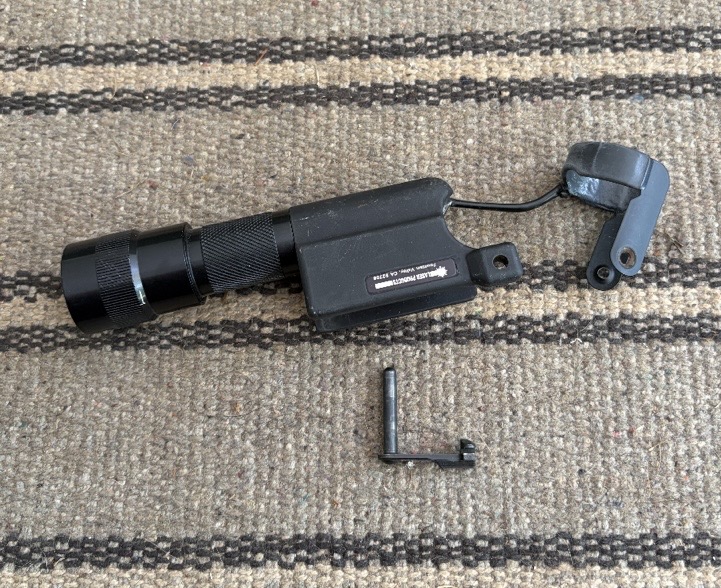
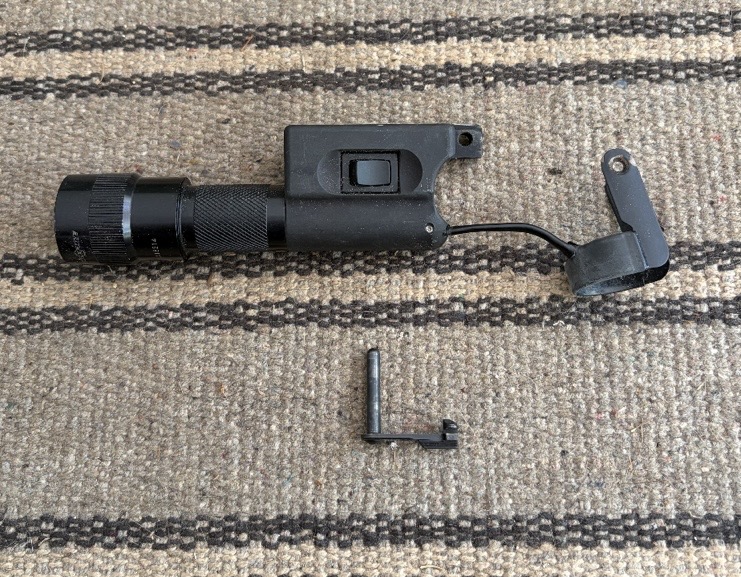
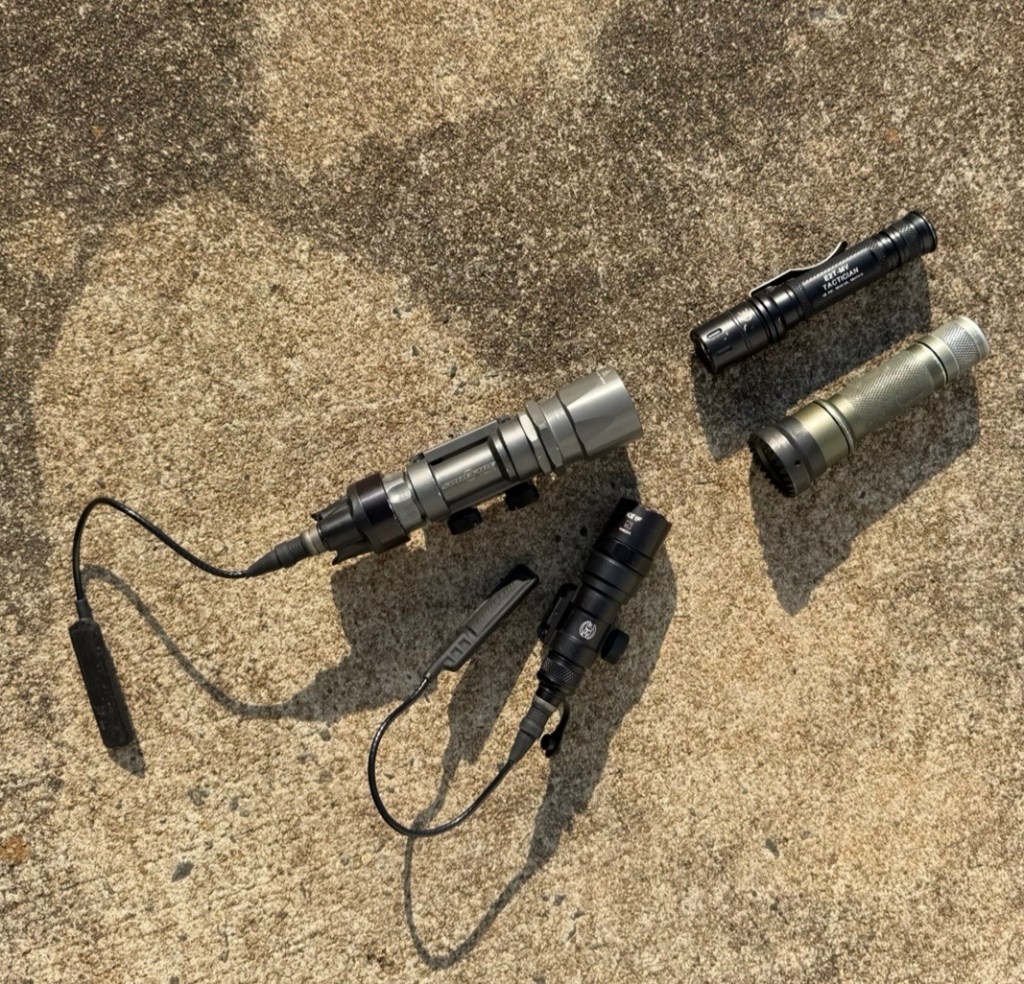
Before Surefire was Surefire, they were Laser Products (and still the one all others are judged by). Over the last three decades, the lights have gotten smaller, and brighter. The older green ones pictured are incandescent (WML is 120 lumens, and handheld is 60 lumens). The newer black ones are LED, and many hundreds of lumens. That old 6P handheld, has a G, G, and G “DNA Collection Device” on it. Again, all so very high speed and state of the art, so many years ago now; and they can still serve a purpose today IF that is all you have.
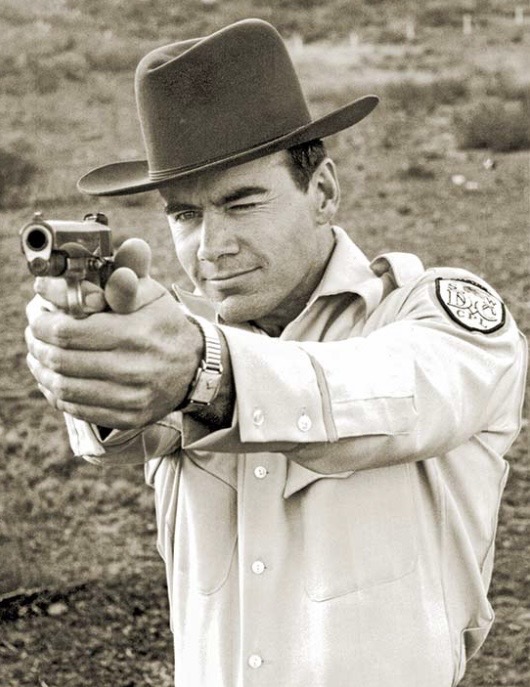
The isosceles stance, as far as photographic evidence goes “aka actual proof,” was used by Fairbairn and Sykes in the 20’s and the Jedburghs in WWII. The “modern” or “modified” isosceles was not invented by Latham, or Enos, or in the 70’s or 80’s. It was, in fact, “invented” and used by Elden Carl in the 1950’s. Elden (may God rest his soul) was one of the first Combat Masters (first five as named by Jeff Cooper himself, which is the only way it counts) of the South West Combat Pistol League in the long gone glory days of combat pistol craft development in the old, and now dead, paradise of California. Much to the dismay and claims of the haters, Elden did it first. Facts are something else aren’t they?
Also, the Weaver is not a “bladed” stance. Jack Weaver stated so in a video interview. Jeff Cooper taught me, personally, how to use the Weaver. That’s pretty hard evidence. The whole bladed abomination came out of east coast police training trying to fit it in with the interview stance by people who didn’t know any better, and had no clue of what truly fighting with a gun actually entails.
Appendix Carry? Check out some pictures and articles of and about Bruce Nelson. (Another Gunsite stalwart, and California copper. Isn’t it strange how many of our roots trace their lineage directly to Cooper’s creation????) The Summer Special holster was actually designed as an appendix holster.
Look further back to Paris Theodore of Seventrees, further back still to the designs of Chic Gaylord, and even much further back to the 1800’s and you will see serious gunfighters with appendix carry.
The 70’s and 80’s saw the adaption of electric sights in pistol competition. Before that we saw use of occluded sights in Vietnam. Then came Kelly McCann, a battle hardened US Marine, special operations innovator and legend. Without him you wouldn’t have combat pistol optics, or the RMR design. He is that guy, and a living legend. If you see him, buy him some Irish whiskey, but don’t challenge him to a fight (or do, if I can get the surveillance feed….)
For some of this history, as Uncle Elmer said “Hell, I was there.” I carried a 1911 with a Surefire 610R in both a Safariland and custom Bladetech holster. I doused my MP5 front sight with Cyalum juice. I painted the ramp on the front sight of my 870 with white paint (still use it too). I read the books, trained with old OSS clandestine fighters, and went to the mountain to train with the master himself. I’m old enough to remember when only 45 hardball or 125gr SJHP in 357 Magnum (out of a 4” barrel, at a minimum) were the only two loads a serious gunfighter would carry. Back when 147gr 9mm hollow points wouldn’t expand. When they had to put a curve in MP5 magazines to feed hollow points, when a maglite hose clamped to an M16a1 was high speed, and when we didn’t want electronic optics on our guns because we didn’t trust our lives to gadgets – just stone cold nerves and hard earned skill.
Now that’s not to say that there haven’t been improvements that have advanced our art, and gadgets that have improved performance. However, you are NOT unarmed with a single stack, iron sighted pistol, out of a leather IWB from weaver, if needed (actually carrying one in a Haitian ghetto, in a vibrant mainland city, at the moment. Yes, I write articles in some strange places). And, you may not necessarily need a dot and light equipped plastic 9mm with 24 rounds, out of a kydex appendix holster to win a gunfight on these mean screetz, OR you may absolutely need those things. May help. May not. Comes down to what is always has. Skill and Will.
Carry what you feel you need, or what your agency assigns (or hinders you with). Just practice and test yourself. Always improve. Study and understand history so you’re not doomed to repeat it. Let others make your mistakes for you.
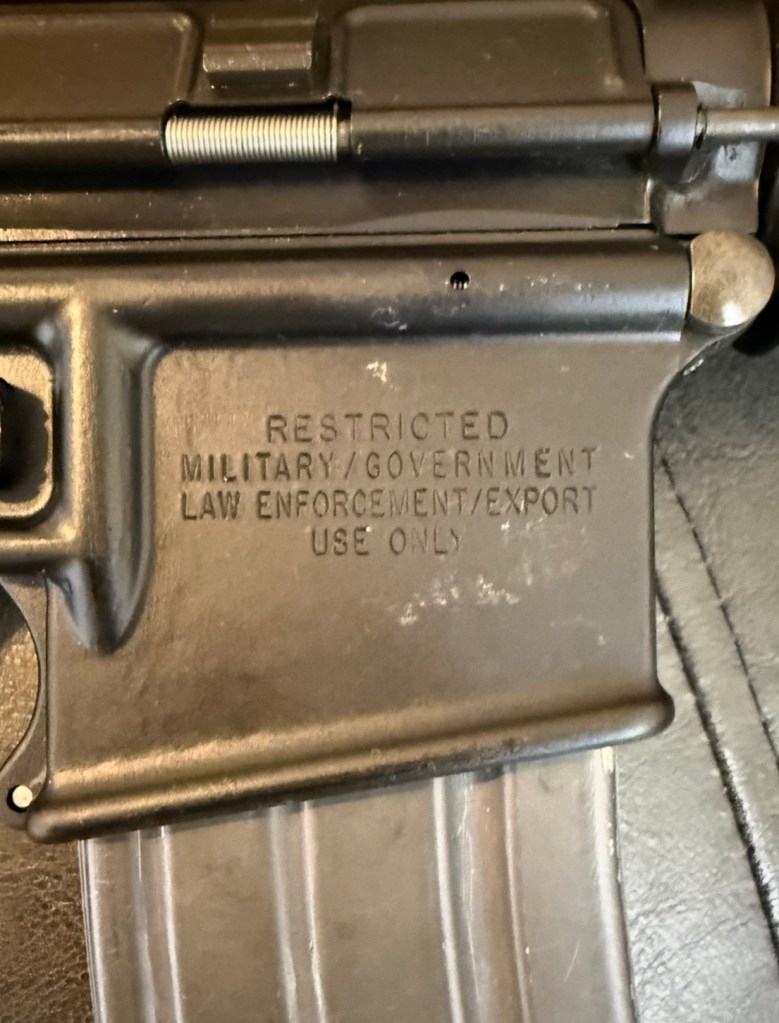
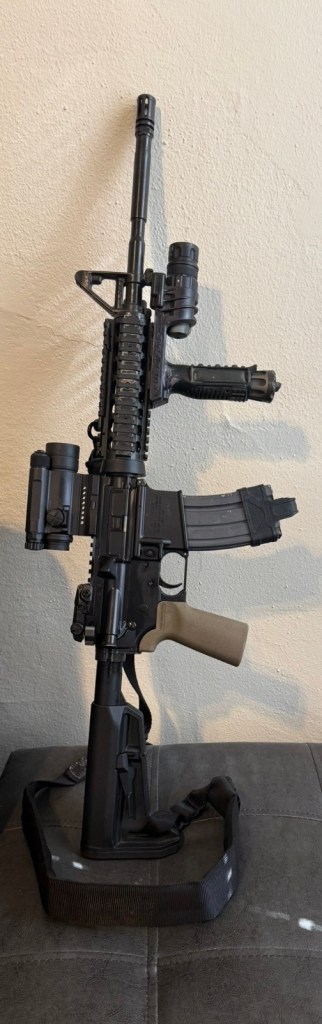
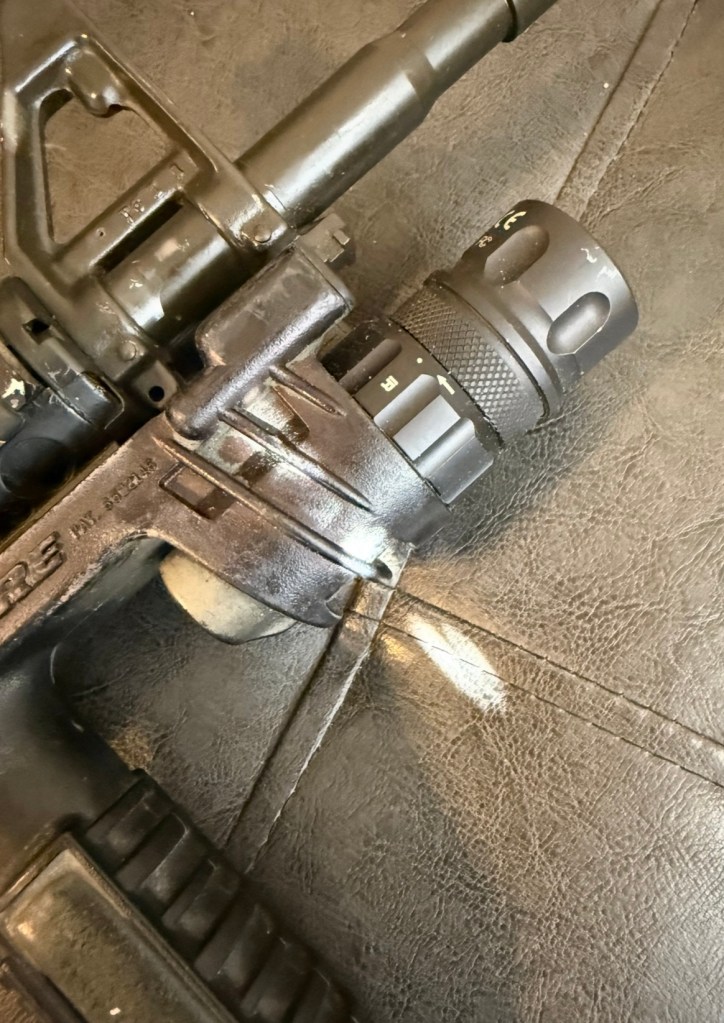
Here is what “State of the Art” for a high speed carbine looked like in the 2005ish circa of the Global War on Terror: Colt (Government restricted model made prior to 2004), Knight’s Armament rail system, Aimpoint Comp M4 (actually came out around 2007, but close enough), a Surefire M900 (with upgraded LED and IR head), and a Magpul quasi version of what use to be a VLTOR/SOPMOD stock. The pistol grip, stock, sling, and rear BUIS have been changed out over the years. I use a Surefire X300T on it now, and switch the optics around sometimes. However, even as configured in the picture, the gun still will work outstandingly well for its purpose with state of the art equipment, from 19 years ago…….
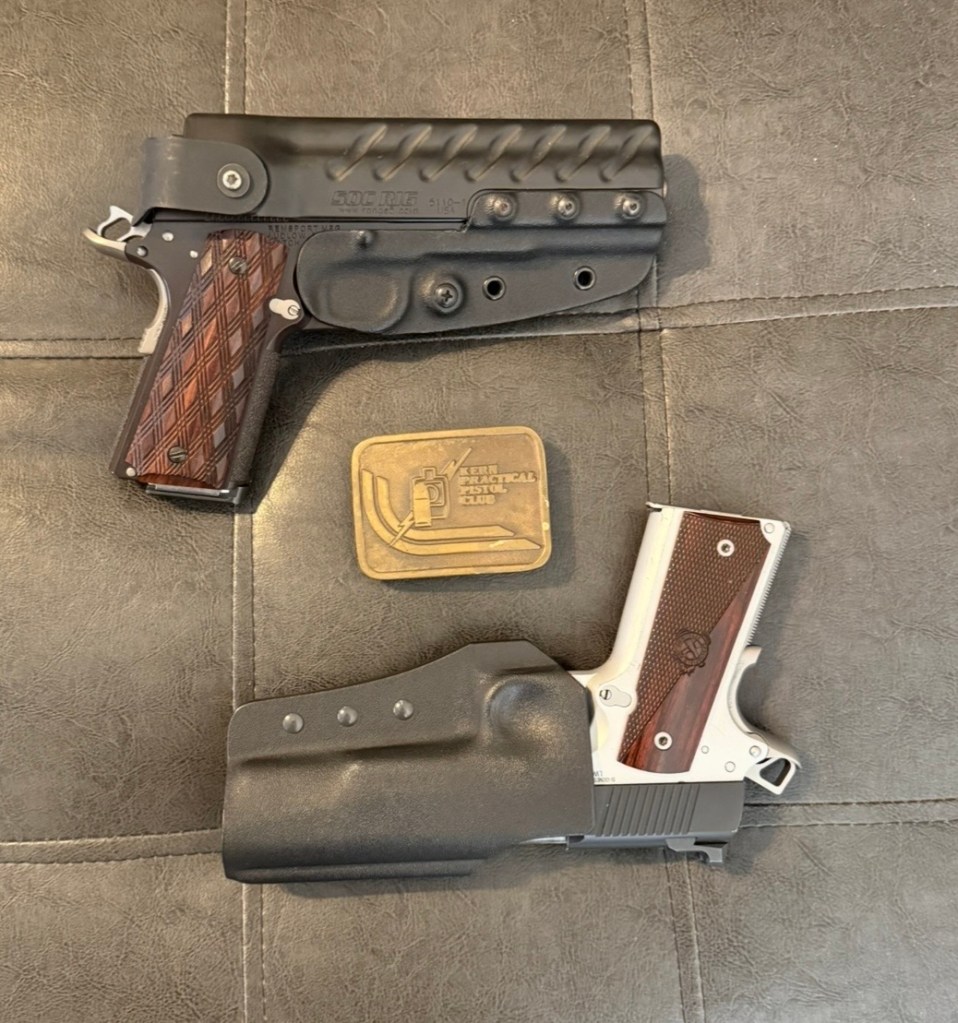
Here is a G-Code SOC holster from around the same era (2005ish) that was the high speed operator choice of the day. It is posed with a Mad Dog MD-Labs GunGlove holster, which is the most influential modern kydex holster (Bill Rogers made the first kydex holster back in 1972, but Mad Dog started the modern revolution, with BladeTech following close on his heels). An added bonus for our adopted quasi-luminary, John Hearne, is the Kern Practical Pistol Club belt buckle. Probably won’t find much info on that these days, but it is a key piece of the lineage of modern defensive firearms application.
I hope some of this has given you an understanding or perspective on historical events, or you at least enjoyed my nostalgic pictures.
Many of our glory days are gone, but many are yet to come. May those come swiftly, and linger long. If I make it back from this trip, you’ll have a new article next month. If I don’t, Leo has a stock of several I’ve written in advance. Looks like it will be a very hot summer this year. Stay thirsty for mojitos and knowledge, or something.
Special Note: Check back after lunch on 4 July 2026 for a special article, where I will wax patriotic….




Leave a comment